
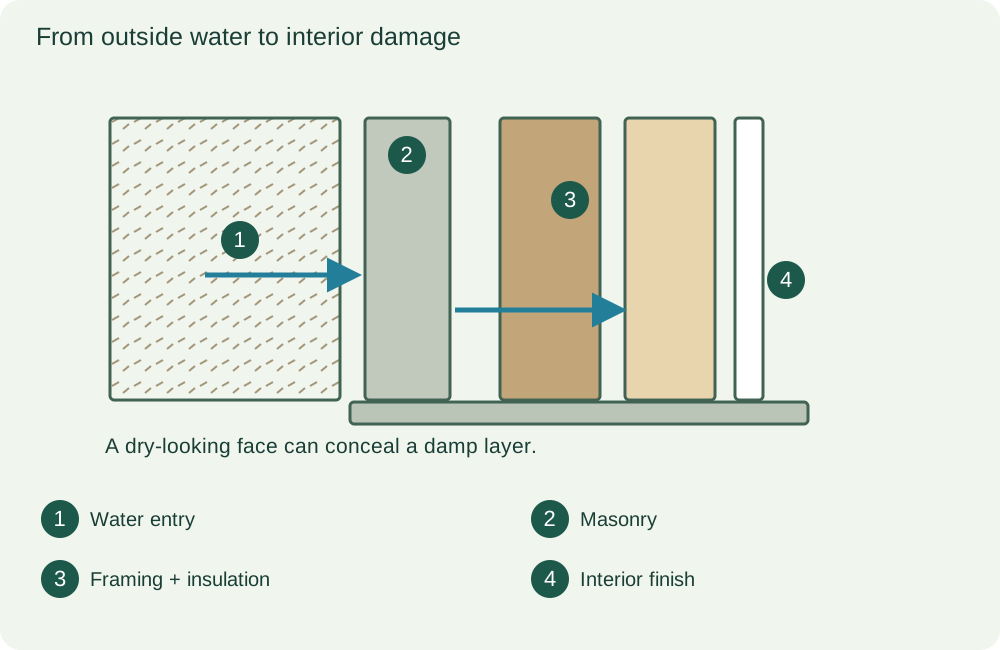
- Water entry
- Masonry
- Framing + insulation
- Interior finish
What causes mold in a basement?
Basement mold develops where materials stay damp from water entry, plumbing leaks or condensation.
These mechanisms need different repairs. A mark that appears after rain can direct an investigation toward exterior drainage or a foundation opening. Water near a supply line may point to plumbing. Broad dampness on cool surfaces can be associated with humid indoor air. The timing and location guide an inspection; neither alone proves the cause.
A finished basement can conceal wet insulation behind dry-looking paint. Inspection therefore follows the water path through the wall or floor assembly rather than treating every visible spot as a separate problem.
How is mold removed from basement materials?
Professionals assess the material, isolate work that could spread contamination, and then clean salvageable surfaces or remove material that cannot be adequately cleaned.
Loose belongings and accessible finishes are evaluated before invasive work begins. Surface treatment of a concrete wall is different from removal of moldy paper-faced drywall. When finishes are opened, the cavity and framing become accessible for assessment and drying.
Material condition matters as much as appearance. A stain can remain after cleaning; a freshly painted surface can still conceal damp backing. The remediation process includes both physical cleanup and review of the remaining conditions.
How does the basement material change the treatment?
Cleanable surfaces, absorbent finishes and moisture-control systems require different work, as this comparison shows.
| Material or system | Typical treatment decision | What the treatment does not resolve |
|---|---|---|
| Exposed masonry | Clean an accessible, sound surface and dry it. | Continuing water entry through the assembly. |
| Paper-faced drywall | Remove affected sections when cleaning cannot reach or adequately treat the material. | Wet framing or insulation behind the board. |
| Wood framing | Assess condition, then clean salvageable wood; refer decay or damage for building repair. | Loss of structural capacity. |
| Carpet and padding | Assess each layer; moldy absorbent material may need disposal. | Moisture in the subfloor or slab. |
| Drainage and dehumidification | Control liquid water and indoor moisture through different measures. | Mold already present on materials. |
Does basement waterproofing remove existing mold?
No. Waterproofing manages water entry; mold remediation cleans or removes already affected materials.
Interior drainage collects water and directs it to a discharge point. A sump pump moves collected water. Exterior drainage changes may reduce water against the foundation. None of those tasks, by itself, cleans an affected wall cavity or replaces moldy insulation.
A dehumidifier removes water vapor from air. It does not stop a continuing plumbing leak or replace a drainage repair. Foundation repair addresses a confirmed structural defect, which mold growth alone does not establish.
Can a finished basement wall be cleaned without opening it?
Sometimes, but surface cleaning is insufficient when the affected material or moisture is behind the finish.
A professional may use observations and material-moisture measurements to decide whether limited access is needed. A borescope can show only the small area it reaches; a moisture meter does not identify mold. The hidden-wall guide explains these limitations.
Opening a wall changes the work: nearby contents need protection, debris needs a controlled route, and the newly exposed assembly needs evaluation. Reconstruction follows cleanup and drying, rather than covering an unresolved cavity.
Why can basement mold return after cleaning?
Growth can return when moisture persists, a concealed affected layer remains, or damp material is enclosed again.
The useful distinction is recurrence versus an old cosmetic mark. New growth, renewed dampness or a returning musty odor warrants investigation. More coating is not a substitute for finding the water source.
After repairs, the relevant observations are whether the assembly stays dry and whether the original water-entry pattern returns. A basement that looks dry during a short visit may still behave differently after rain.
What makes basement remediation more extensive?
Hidden layers, difficult access, affected belongings and rebuilding increase the work beyond a small exposed-surface cleanup.
A concrete utility area and a carpeted family room can have similar floor areas but very different material and disposal needs. The amount of affected wall surface is also different from the room’s floor area. Our process guide explains national cost context and the distinction between cleanup and repairs.
Explanatory example
What changes when a finished wall stays damp after a leak?
A dry paint surface does not establish that the wall cavity is dry. In this example, a pipe leak wets insulation behind the drywall. Repairing the pipe stops the source, but the affected finishes still need assessment. Where removal is necessary, the exposed cavity can be cleaned and dried before new insulation and drywall are installed. The example illustrates a sequence; it does not prescribe removal for every basement leak.
Common questions
Does a white deposit on masonry prove mold?
No. Mineral deposits can also appear on masonry. Appearance alone is not enough to establish what a deposit is or whether the surrounding assembly is dry. Evaluate the moisture history and material condition before selecting treatment.
Can I keep using the basement during remediation?
Access depends on the work area, containment and conditions elsewhere in the home. Invasive removal and debris handling can require separating the affected room from occupied space. The work plan should define that boundary before disturbance begins.
Sources and editorial approach
Gettysburg Mold Guide explains published building and cleanup guidance. This page was updated September 21, 2026. It is general information, not a property inspection or a medical assessment. The example explains a building condition; it is not a customer case study.