
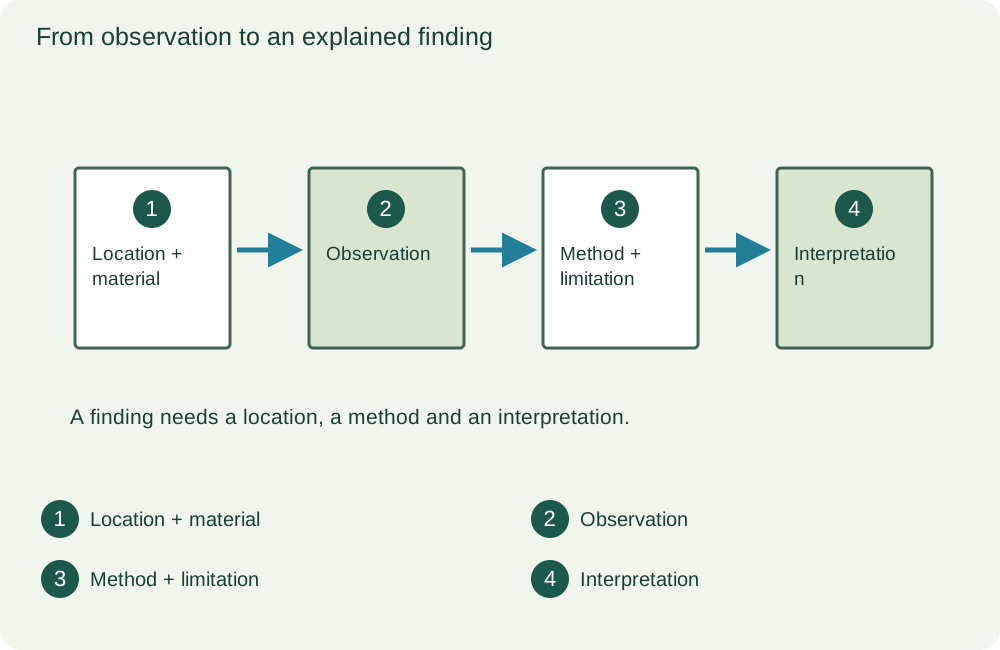
- Location + material
- Observation
- Method + limitation
- Interpretation
What happens during a mold inspection?
An inspection connects observations of growth or damage with the building materials and possible moisture sources.
The investigation may follow water stains, musty odors, past leaks or accessible affected surfaces. Equipment can help locate moisture or inspect a small concealed area. The report should distinguish what was seen from what remains inaccessible.
A useful finding identifies the material and location, not merely “mold in the home.” A basement wall cavity, a duct liner and an attic roof deck have different access and treatment implications.
When is mold testing useful?
Sampling is useful when a defined result could change the investigation or evaluate a specific aspect of completed work.
The United States Environmental Protection Agency explains that sampling is usually unnecessary when growth is already visible. There is no federal airborne mold limit that turns a single result into a universal pass or fail for a home.
Sample location, collection method and the conditions during collection affect interpretation. A result from one room is not a survey of every concealed surface. Testing and investigating a wall cavity answer different questions.
Which investigation method answers which question?
Each method has a limited purpose; combining appropriate observations is more informative than relying on one instrument or sample.
| Method | What it helps establish | What it cannot establish alone |
|---|---|---|
| Visual building inspection | Accessible damage and likely investigation routes. | Every concealed surface. |
| Moisture measurement | Damp material and changes during drying. | A mold diagnosis. |
| Borescope | A limited view inside an accessible cavity. | The condition of the full wall. |
| Air sample | Particles collected at a place and time. | A universal safe level or the source of a leak. |
| Surface sample | Information about the sampled material. | The total extent of hidden damage. |
Does a moisture meter detect mold?
No. A moisture meter measures a material-related moisture response, not mold species or the extent of contamination.
Readings can help an investigator locate damp areas and track drying. Interpretation depends on the instrument and material. A single displayed number without its location, material and reference does not explain the whole assembly.
Thermal images show temperature patterns. Those patterns may help identify an area for further investigation, but the camera does not see mold through a wall. Direct observation or targeted access may still be necessary.
What is the difference between air and surface samples?
An air sample captures particles under the conditions of collection; a surface sample examines material from a selected spot.
Neither is a complete map of a building. Airborne results can vary with activity and environmental conditions. A surface sample can help characterize a sampled deposit, but it does not establish how far damage extends behind it.
A laboratory report should be interpreted together with the building investigation. An isolated list of organisms should not replace an explanation of the moisture problem and the relevant cleanup decisions.
How does an inspection report become a remediation plan?
Findings identify the affected locations and materials; the plan connects those findings to proposed treatment and work controls.
For example, a report may identify affected drywall at a pipe chase but state that the cavity was not inspected. The plan then addresses how access is created and how newly exposed material will be assessed. A plan should not imply that an uninspected space is confirmed clear or fully affected.
After work, a completion review evaluates the agreed areas and remaining conditions. See the remediation sequence for where cleaning, drying and reconstruction fit.
Explanatory example
What does an explained inspection finding look like?
A useful report connects the observation to its limitation. Example: “Basement, north wall: staining on the interior finish; material readings differ from a dry comparison area; cavity not opened.” This supports further investigation of that area, not a conclusion that the entire basement is affected. An eventual opening may clarify the backing and insulation. This is an explanatory report example, not a customer result or a diagnostic reading.
Common questions
Do I need testing just because mold is black?
No. Color does not establish a species, health diagnosis or separate cleanup category. The material, moisture source and extent are more useful for planning an investigation. Sampling needs a specific purpose rather than a color label.
Can the same business inspect and remediate?
Some businesses advertise both services. A separate reviewer can provide a different perspective on completed work. The relevant roles and any independence claim should be clear; rules from another state should not be presented as Pennsylvania requirements.
Does the inspection fee include laboratory analysis?
Only if the service includes it. A building visit, individual samples, laboratory analysis and a written interpretation can be separate charges. The number of proposed samples should follow the investigation question rather than a fixed assumption for every home.
Sources and editorial approach
Gettysburg Mold Guide explains published building and cleanup guidance. This page was updated September 21, 2026. It is general information, not a property inspection or a medical assessment. The example explains a building condition; it is not a customer case study.