
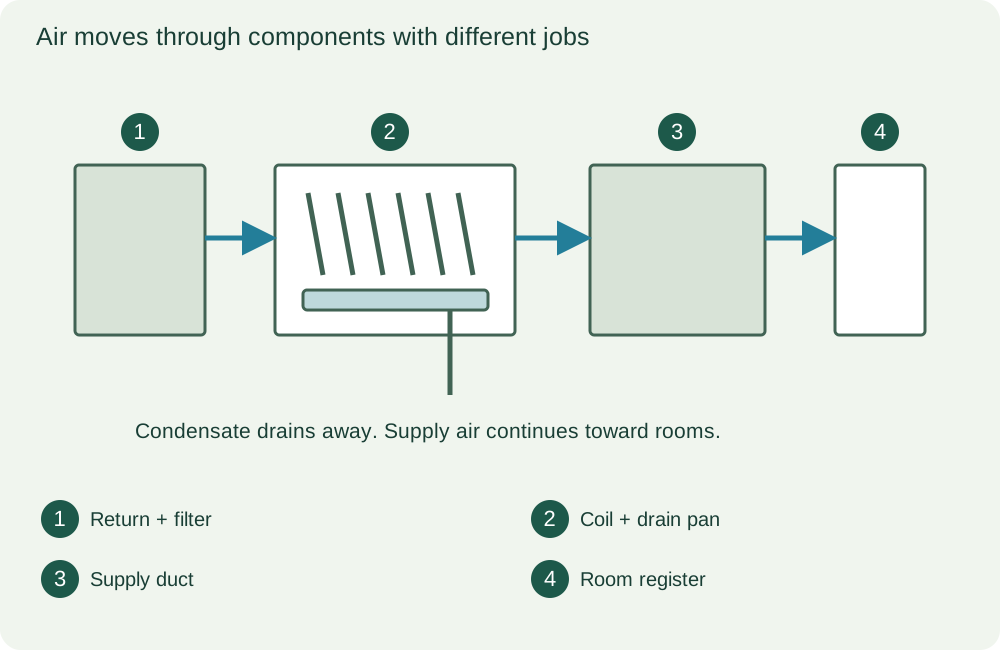
- Return + filter
- Coil + drain pan
- Supply duct
- Room register
Where does moisture collect inside an HVAC system?
Condensate pans, drains, coils, damp filters and duct surfaces are common investigation points.
A cooling coil removes moisture from passing air; the condensate should drain away. A blocked drain or poorly draining pan can leave water in the unit. Leaky ducts can admit humid air or bring air into contact with cold surfaces. Damp filter material and accumulated dust can also matter.
Trane identifies drainage, duct leakage, damp filters and improper equipment sizing as possible contributors. These are mechanisms to investigate, not proof that a particular unit has mold.
Which signs justify an HVAC assessment?
Persistent musty odors, visible deposits and moisture at the unit or ducts can justify investigation, but each has other possible explanations.
A dark mark around a supply register may be deposited dust rather than growth inside the system. A musty smell may come from another damp part of the building. The investigation follows the deposit or odor to the component and its moisture conditions.
Breathing symptoms are not a test for HVAC contamination. A health concern belongs with a health professional, while an equipment assessment addresses the building system.
How does the component change the HVAC work?
The component’s function and material determine whether cleaning, repair or replacement is relevant.
| Component | Moisture or deposit issue | Treatment boundary |
|---|---|---|
| Condensate pan and drain | Water is not draining as intended. | Clean and repair the drainage mechanism as appropriate. |
| Cooling coil | Moisture and deposits collect at the coil. | Assess accessible surfaces and the surrounding components. |
| Metal duct | Deposits on a cleanable substrate. | A register-only cleaning does not cover the full duct. |
| Internal duct insulation | Absorbent lining is wet or moldy. | EPA recommends removal and replacement rather than cleaning it. |
| Filter and return path | Damp filter media or moisture at the intake. | Evaluate the source, not only the filter. |
Should an HVAC system with suspected mold keep running?
EPA advises not operating a system known or suspected to be contaminated with mold because it may spread contamination.
The suspicion needs to relate to the system, for example a moisture problem involving an air handler or growth near its intake. A specialist can evaluate access, affected components and the appropriate controls before equipment is opened or cleaned.
The inspection and testing guide distinguishes direct observations from what a selected sample can establish.
Can moldy ducts and insulation be cleaned?
Treatment depends on the material: accessible metal surfaces and wet or moldy internal insulation require different decisions.
EPA explains that wet or moldy insulation in an insulated duct system cannot be effectively cleaned and should be removed and replaced. Cleaning only a register does not reach that lining or the upstream equipment.
A complete assessment therefore distinguishes supply and return ducts, internal liner, external insulation, coil and drain pan. The presence of a HEPA machine does not establish that all these parts were inspected or treated.
Does duct cleaning solve the moisture problem?
No. Cleaning removes material from the surfaces treated; it does not repair a clogged drain, leaking duct or unsuitable operating condition.
The cause must be corrected as part of the appropriate HVAC work. Otherwise a cleaned component may become wet again. Routine whole-system cleaning is not automatically necessary just because dust is visible on a register.
Sprays and disinfectants are not universal substitutes for physical cleaning or replacement. Any chemical use must be suitable for the particular component and its labeled use.
How can recurring HVAC moisture be reduced?
Keep condensate drainage working, maintain the equipment and filters, and correct confirmed duct or humidity problems.
Maintenance should follow the system manufacturer’s requirements. A household dehumidifier may reduce room humidity but will not repair a blocked condensate drain. Likewise, replacing a filter does not remove affected duct insulation.
After treatment, the relevant question is whether the original component stays dry under normal operating conditions. The equipment and containment guide explains the difference between managing airborne particles and fixing moisture.
Explanatory example
What if there is a stain at one supply vent?
A single vent stain calls for locating the deposit and moisture conditions, not assuming every duct needs remediation. In this example, the register has a dark edge but the accessible metal behind it is dry. The investigator distinguishes surface dust from growth and checks the relevant pathway. Another home with wet internal duct lining would require a different material decision. These are illustrations of assessment logic, not diagnoses from appearance.
Common questions
Does a musty smell mean the air ducts are the source?
No. Odor can originate in a damp wall, basement or another nearby material. Timing during system operation is useful context, but the source must still be located.
Is an air test enough to decide which ducts to replace?
No. A sample does not identify the condition of every component. Material inspection and the moisture investigation are needed to determine whether a particular duct or liner is affected.
Will an air purifier fix HVAC mold?
An air purifier filters air passing through it. It does not repair drainage, clean an affected coil or replace moldy duct insulation. Those tasks require attention to the system itself.
Sources and editorial approach
Gettysburg Mold Guide explains published building and cleanup guidance. This page was updated September 21, 2026. It is general information, not a property inspection or a medical assessment. The example explains a building condition; it is not a customer case study.